We already learned that noun classes in Qaqet tell us something about shape or sex. The same noun can occur in different classes with a difference in meaning, such as a difference in shape or form, or in biological sex. Take a look at the shape matching game below - can you guess the meaning of all noun class markers here?
Shape matching game: How to play
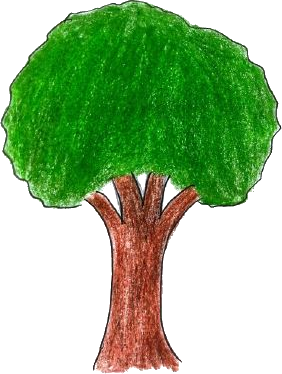
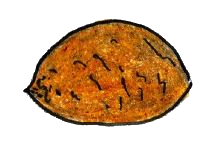
Below, you can see two examples where nouns (meng and quukuk) are combined with the noun class marker -ka 'singular masculine'. In this combination, they mean 'tree' and 'sweet potato'. To find out how this changes, click on either the tree or the sweet potato and drag it onto one of the blue shapes below. Each shape illustrates a different noun class. Drop the object there, and you will see how its meaning changes. But note that not all objects can occur in all classes. You have to find out what matches what! If your choice is correct, try and type your guess below the shapes. Then check your guesses by clicking on solutions.
meng-ka
| meng | -ka |
| tree | -singular.masculine |
quukuk-ka
| quukuk | -ka |
| sweet.potato | -singular.masculine |
Give it a try!
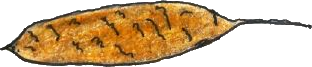 You found a match! In combination with this noun class marker, you get the meaning 'long sweet potato'.
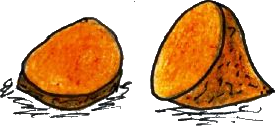 You found a match! In combination with this noun class marker, you get the meaning 'piece of sweet potato'.
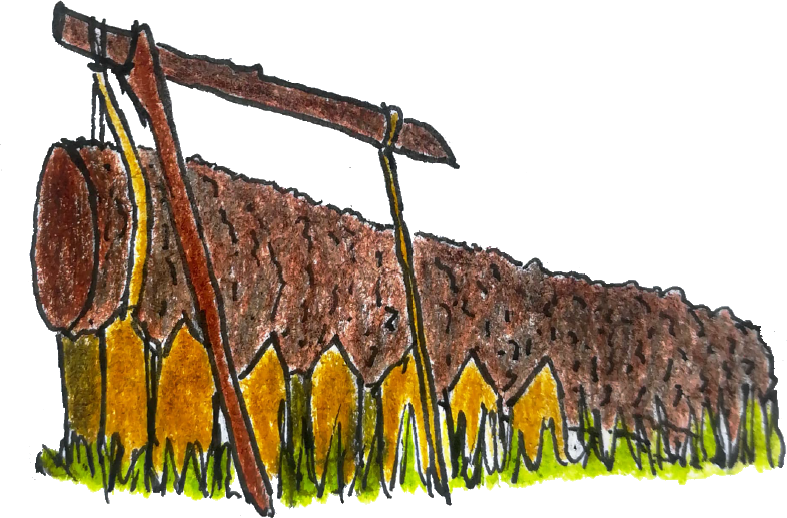 You found a match! In combination with this noun class marker, you get the meaning 'piece of wood/trap'.
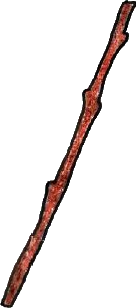
You found a match! In combination with this noun class marker, you get the meaning 'stick' or 'firewood'.
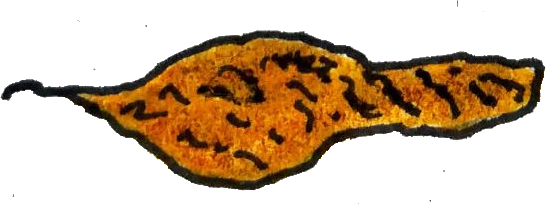
You found a match! In combination with this noun class marker, you get the meaning 'stunted sweet potato'.
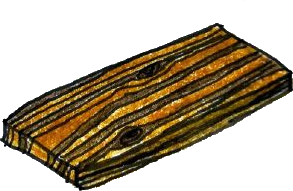 You found a match! In combination with this noun class marker, you get the meaning 'split wood' or 'plank'.
Your guesses:
-it: (Click to enter your guess.)
-em: (Click to enter your guess.)
-ini: (Click to enter your guess.)
-igel: (Click to enter your guess.)